Identify Unknown Calls Like 9085268800, 8886708202, 9085214110, 9513245248, 18778601250, 9733200175

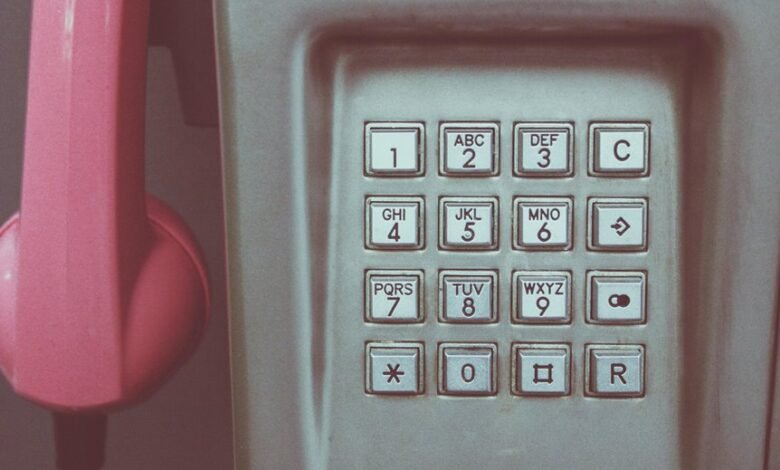
Identifying unknown calls, such as 9085268800 and 8886708202, poses significant challenges in today’s landscape. Spoofing and unsolicited communications complicate the process, often leaving individuals unsure of a number’s legitimacy. Various tools and resources can assist in discerning these calls, yet the effectiveness may vary. Understanding the limitations of caller ID systems is crucial. Exploring available strategies could provide clarity on managing these interruptions effectively.
Understanding Caller ID and Its Limitations
Caller ID technology has become a ubiquitous feature in modern communication, yet its effectiveness is marred by significant limitations.
The system often fails to distinguish between legitimate callers and those with malicious intent, raising privacy concerns. Additionally, spoofing techniques can manipulate caller information, undermining trust in the technology.
As users seek freedom from unsolicited calls, these vulnerabilities remain a pressing issue.
Tools and Resources for Identifying Unknown Numbers
With the limitations of Caller ID technology making it challenging to identify unknown numbers, various tools and resources have emerged to assist users in this endeavor.
Reverse phone services enable individuals to conduct call lookups, providing information about the caller.
Websites and mobile applications offer databases that compile user-reported data, enhancing the ability to discern the origin of unfamiliar calls effectively.
Tips for Dealing With Unwanted Calls
How can individuals effectively manage the influx of unwanted calls?
Employing call screening features and blocking unwanted numbers can significantly reduce interruptions.
Users should register with national do-not-call lists and utilize mobile apps designed for identifying and filtering spam calls.
Additionally, educating oneself about common scams empowers individuals to recognize and avoid potential threats, enhancing personal freedom and reducing frustration.
Conclusion
In an era where caller ID can be easily manipulated, the challenge of identifying unknown numbers like 9085268800 or 8886708202 becomes increasingly complex. While tools and user-reported data can assist, the effectiveness of these resources often hinges on collective user engagement and transparency. As technology evolves, so too does the sophistication of spoofing techniques, raising the question: can a foolproof method for identifying legitimate calls ever truly exist, or are we destined to navigate this murky digital landscape indefinitely?