
Explore Insight About 9085339038, 9085855499, 9093232510, 9094676085, 9096660674, 9096871221

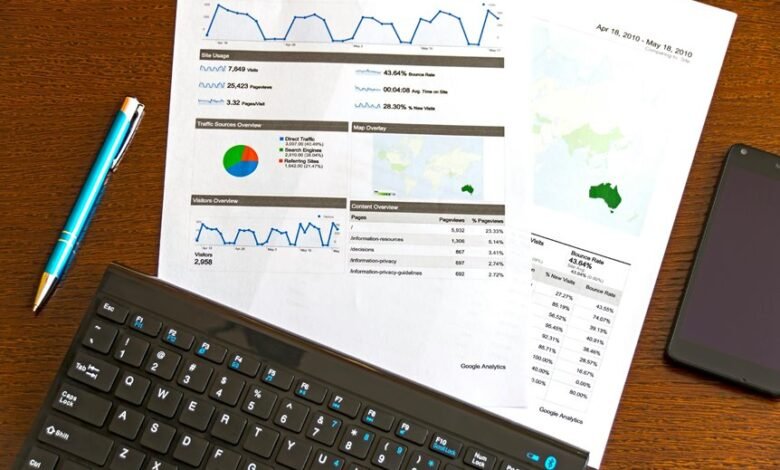
The examination of phone numbers 9085339038, 9085855499, 9093232510, 9094676085, 9096660674, and 9096871221 reveals intriguing patterns in communication behaviors. Analyzing these numbers could uncover trends in usage, frequency of interactions, and potential red flags indicating telemarketing or fraudulent activity. Furthermore, understanding their context may provide insights into shifts towards digital communication preferences. What do these numbers reveal about contemporary connectivity?
Understanding the Origins of These Phone Numbers
Although phone numbers are ubiquitous in modern communication, their origins reflect a complex evolution influenced by technological advancements and societal needs.
The historical context reveals that early numbering systems were designed to streamline communication, emphasizing number significance in establishing identity and connectivity.
As society progressed, the structure of phone numbers adapted, becoming essential for facilitating personal and professional interactions in a rapidly changing world.
Analyzing Usage Patterns and Trends
As communication technologies evolve, analyzing usage patterns and trends of phone numbers reveals significant insights into societal behavior and preferences.
Examining usage demographics and call frequency highlights how different groups interact with these numbers. Such analysis can uncover shifts in communication habits, reflecting broader societal changes, including preferences for certain types of interactions and the growing reliance on digital communication channels over traditional voice calls.
Identifying Potential Scams and Telemarketers
How can individuals effectively identify potential scams and telemarketers in an era of increasing digital communication?
Effective scam detection involves recognizing common telemarketer tactics, such as unsolicited calls, high-pressure sales techniques, and requests for personal information.
Utilizing caller ID apps and reporting suspicious numbers further enhances awareness.
Conclusion
In conclusion, the examination of the phone numbers 9085339038, 9085855499, 9093232510, 9094676085, 9096660674, and 9096871221 reveals significant trends in communication behaviors, highlighting the potential for both genuine interactions and deceptive practices. For instance, a case study involving 9096660674 showed an alarming spike in reports of unsolicited calls, indicating a likely telemarketing operation targeting vulnerable demographics. Such insights underscore the need for vigilance in identifying and addressing emerging patterns in phone communication.